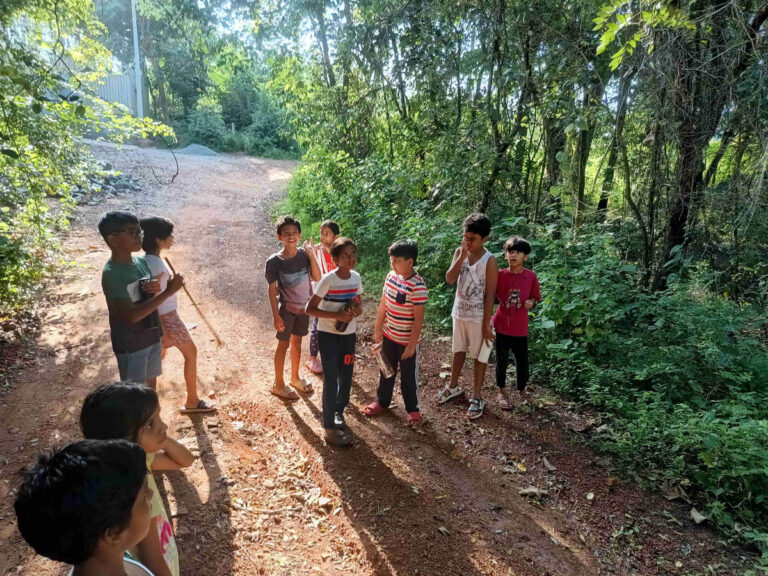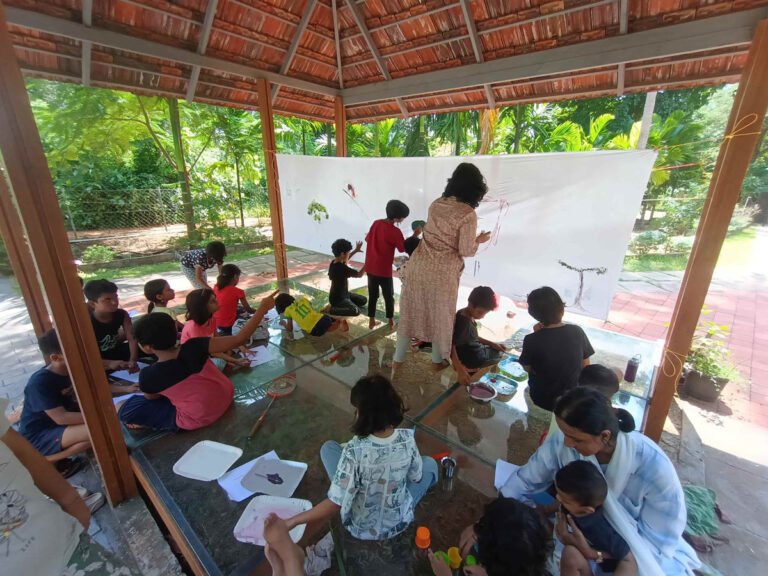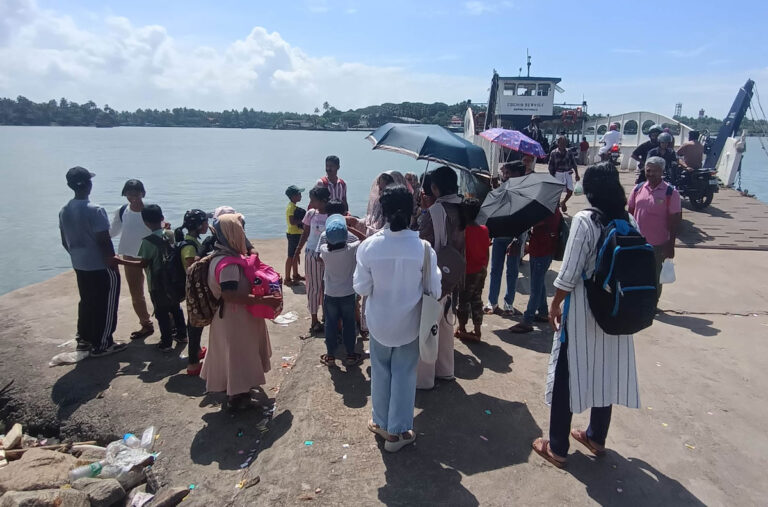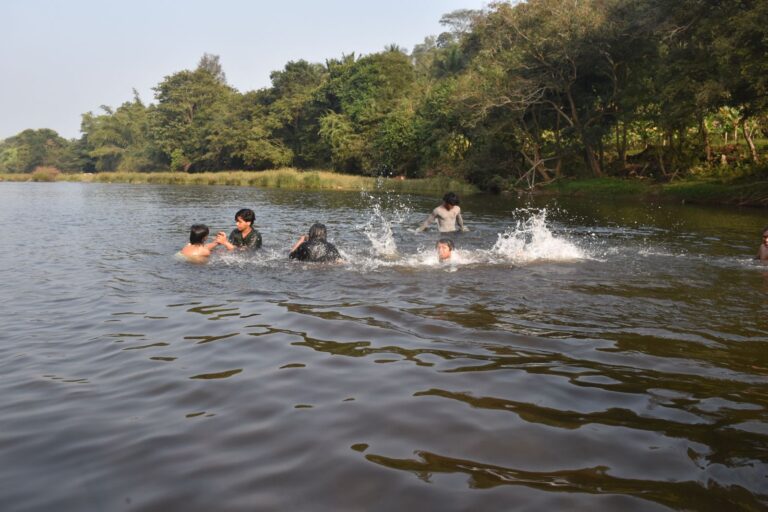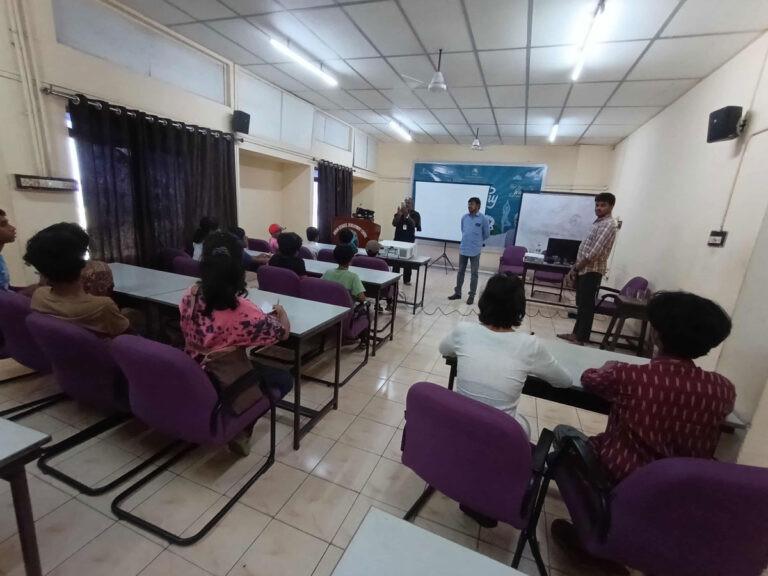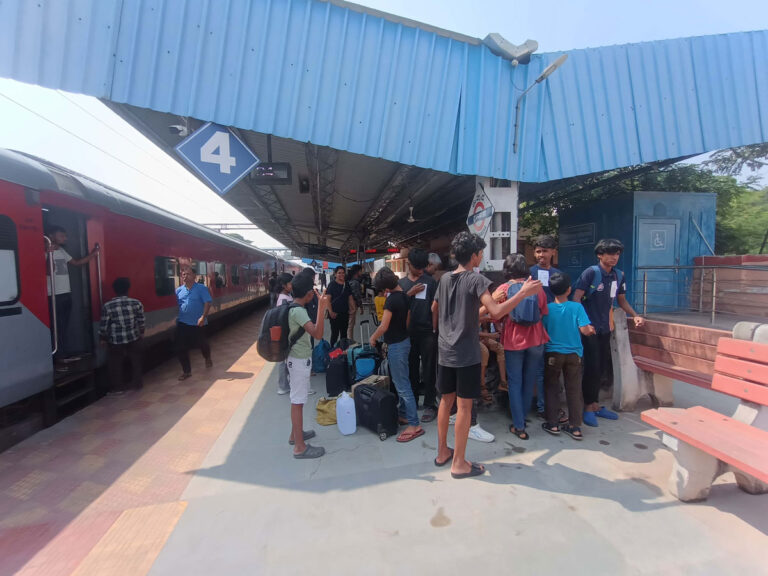
Through camps, study trips, expert sessions, and weekend huddles, children step beyond books and screens to experience nature, culture, science, and history firsthand — learning directly from people and places, not just pages.Inspired by Sarang, a pioneering alternative education initiative with over 40 years of lived practice, Walking Ferns blends experiential learning with everyday life, complementing both schooling and homeschooling.
At Walking Ferns, we organise educational trips, camps, and sessions that combine fun, culture, nature, and deep learning. Every program is built around three things:
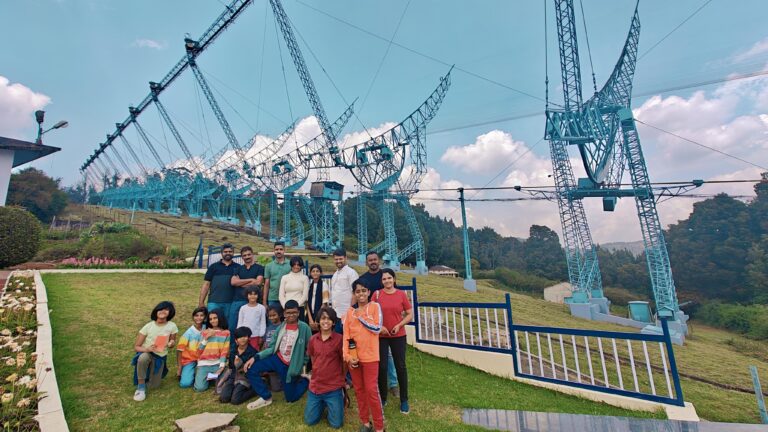
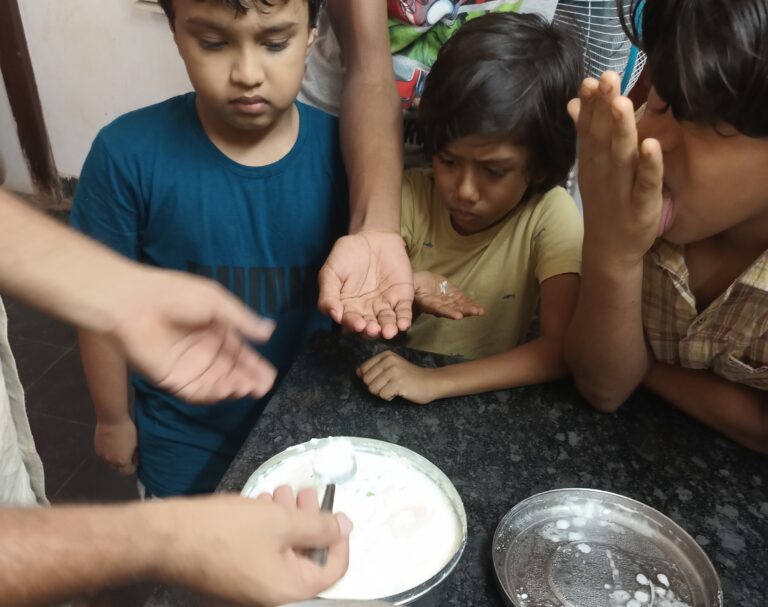
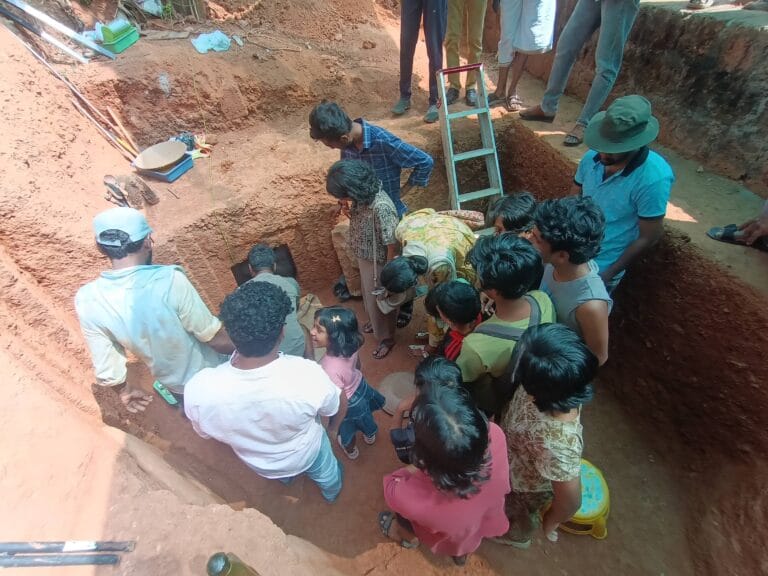
We take children to historical sites, museums, performances, art exhibitions, and nature excursions — and into conversations with diverse people. From the microscopic world under a microscope to faraway galaxies through a telescope, every part of the universe becomes a learning opportunity.
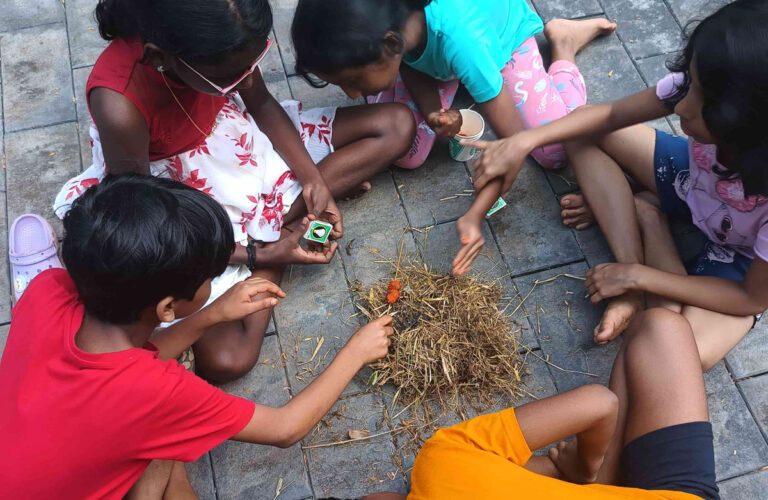
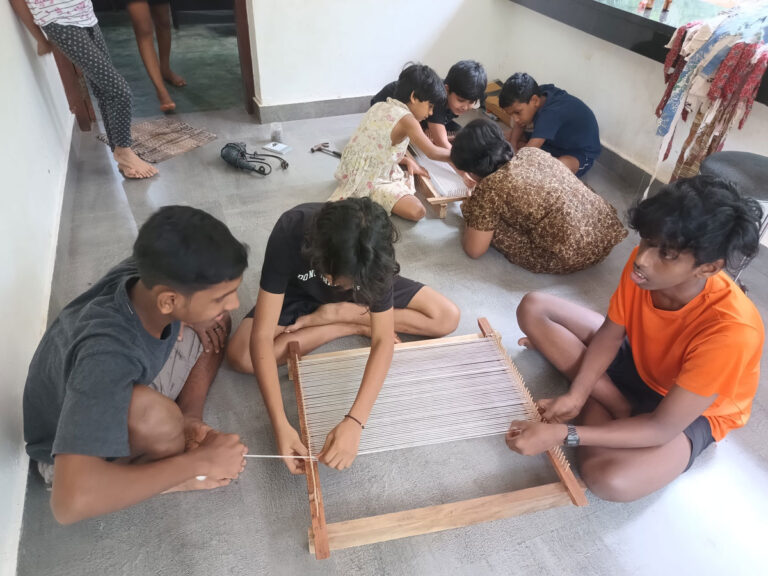
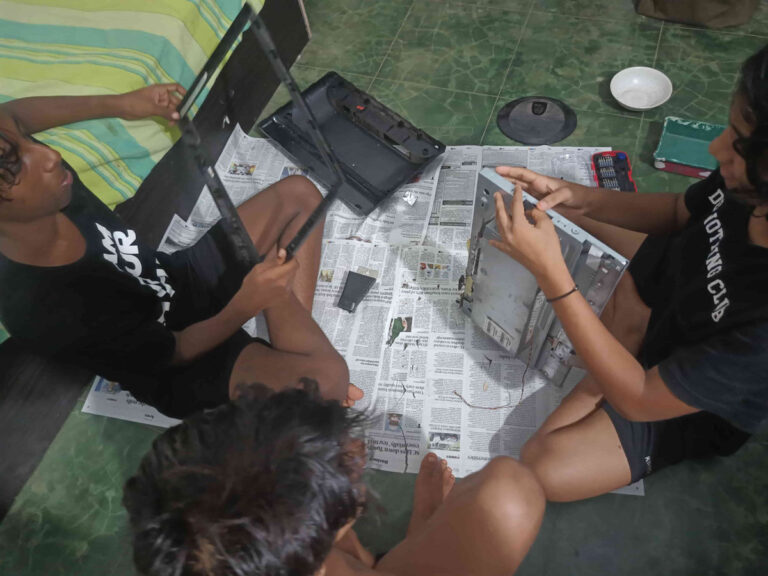
Crafts, carpentry, building simple structures, open play in nature, storytelling. When children use their hands, senses, and bodies to learn, it strengthens neural connections tied to thinking, coordination, problem-solving, and emotional regulation — learning that stays with them far longer than anything received passively.03
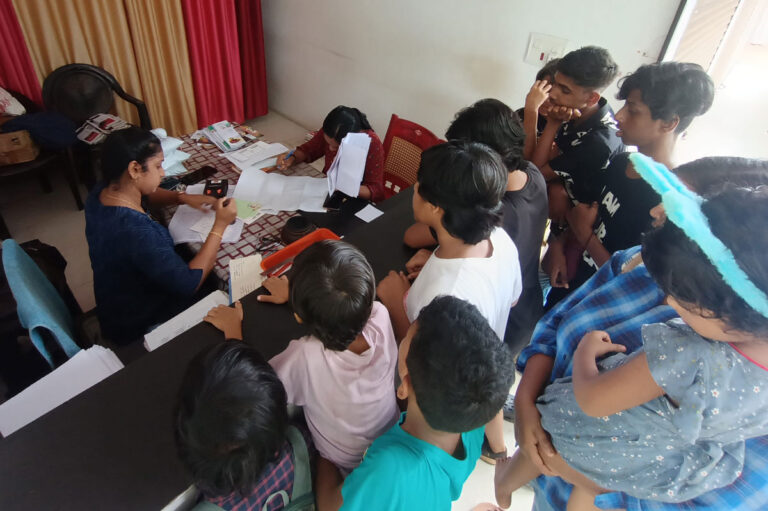
Our activities are built around community and collaboration. Children learn best within a peer group, where they can observe, question, disagree, cooperate, and belong — in safe, consistent spaces that support both learning and long-term relationships.
Everything we do is built around a simple belief: children learn best when they are actively present in the world — not just reading about it. Our programs run across Kerala and beyond, in small groups, with families and children at the centre.
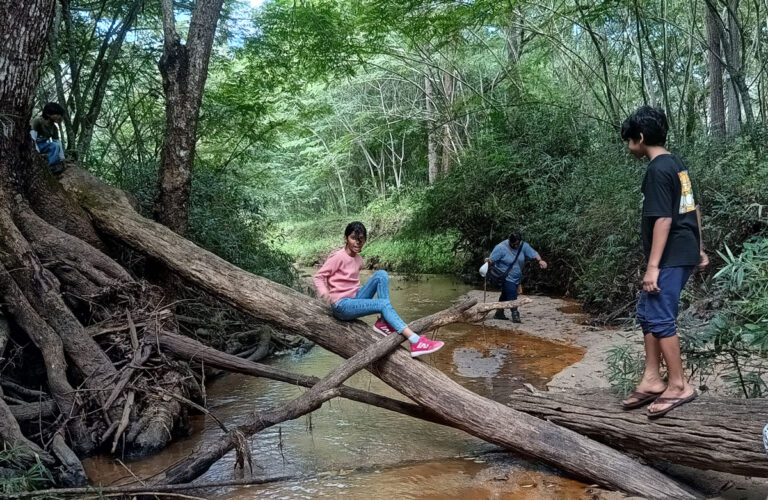
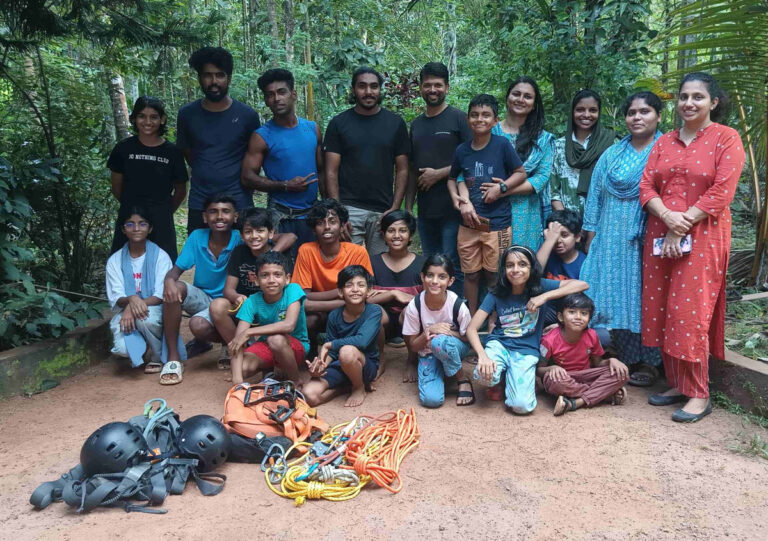
Multi-day residential camps where children step away from routine and into nature, community, and challenge. Camps are spaces for children to lead, collaborate, and discover — built around themes like ecology, culture, or creative practice. Past camps have been held deep in forests, in village settings, and alongside rivers. Duration varies. Open to children of school-going age. Parents may be invited for specific segments.
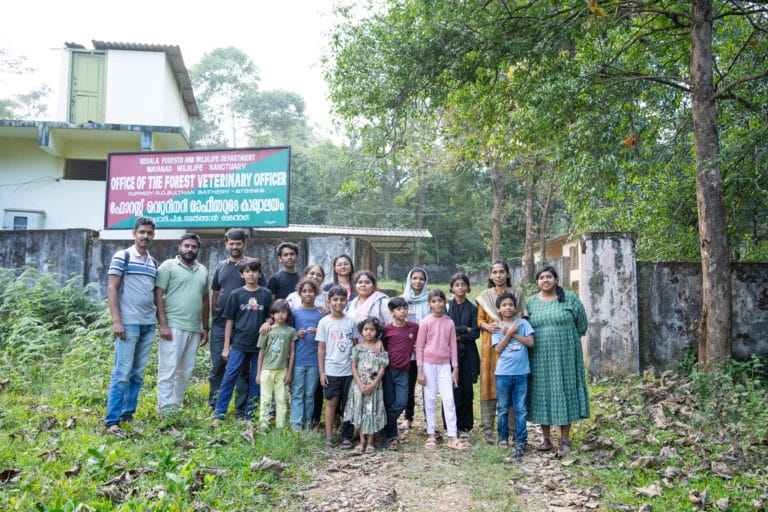
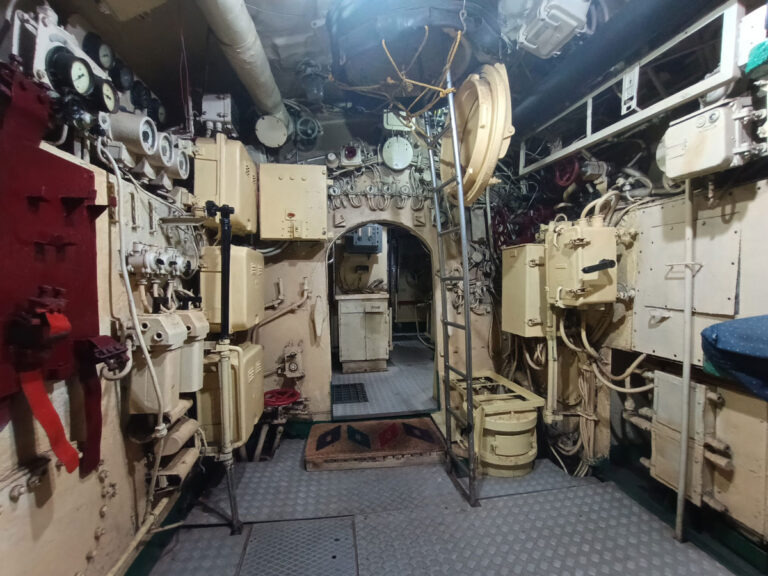
Educational journeys through South India's historical sites, museums, natural landscapes, and working places — from ancient ports and temples to science centres and farms. We have covered over 3,500 kilometres by public transport, which is part of the learning. Children travel with intention, not just with an itinerary. Day trips and multi-day journeys, throughout the year. Groups are kept small so conversations can happen.
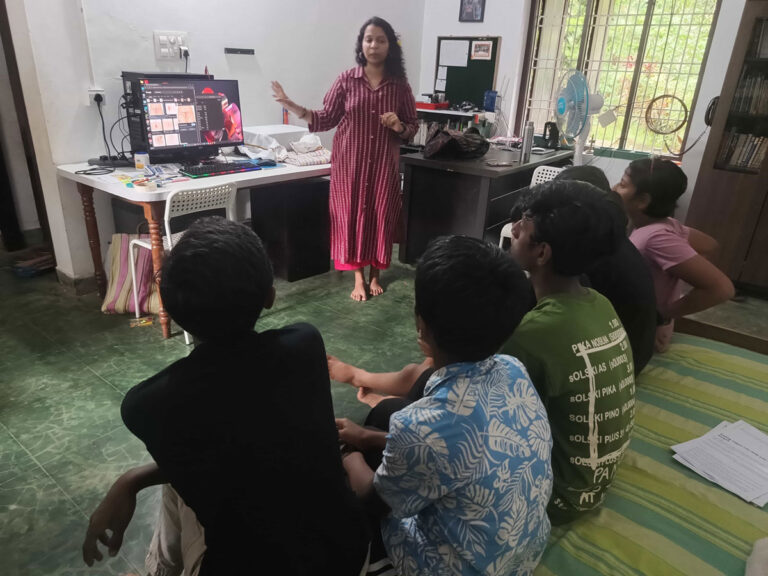
Children meet and learn directly from practitioners — farmers, scientists, architects, craftspeople, performers, doctors, and others who have built a life around their work. These are not lectures. They are conversations, demonstrations, and hands-on time with people who know their subject from the inside.Hosted at Kuttinaadu and other locations. Sessions are themed and open to registration.
A consistent, recurring space for children from nearby areas to gather, explore a topic, make something, or simply spend time together with intention. Huddles are lighter in structure than camps or trips — but regularity is exactly the point. Showing up every week, with the same people and the same commitment to curiosity, is how a learning community takes root.Weekend huddles are also the first step toward something larger. Walking Ferns envisions a network of small, community-rooted learning centres across South India — spaces that complement or replace formal schooling for children and families who want something different. Huddles are where that begins: in a neighbourhood, with a small group, one Saturday at a time.Saturdays. Rotating themes. Suitable for children who want a steady rhythm of engagement.
🌿 From July 2026
the first such learning centre is now open at Badiroor, near Kozhikode. Kuttinaadu →